Advantages of an informational kiosk for your business
Information kiosks have become essential tools to modernize the way businesses interact with customers and visitors. Some of the main advantages are:
- Improved user experience: Informational kiosks allow users to get quick and efficient information without having to wait for an assistant.
- Service automation: With these kiosks, businesses can reduce operating costs by automating tasks such as providing information, registering visitors, or processing orders.
- Accessibility: Kiosks are designed to be intuitive and easy to use, which improves accessibility for people with different needs.
- Customization: Depending on the software and services, these kiosks can be customized to meet the specific needs of each business or institution.
- Reduced workload: By providing information autonomously, staff workloads are lightened, allowing them to focus on higher-value tasks.
Sectors that benefit from informational kiosks
Information kiosks are especially useful in various sectors. These include:
- Tourism and hospitality: In hotels, airports, and tourist offices, kiosks provide information on services, maps, schedules, and promotions automatically.
- Retail: In shopping malls, stores can use kiosks to display products, promotions, inventory availability, and process orders efficiently.
- Education: Universities and schools can implement kiosks on campus to provide information on schedules, activities, maps, and services.
- Government: In government buildings, kiosks allow citizens to access information about public services, procedures, and office hours autonomously.
How to choose the ideal informational kiosk for your business
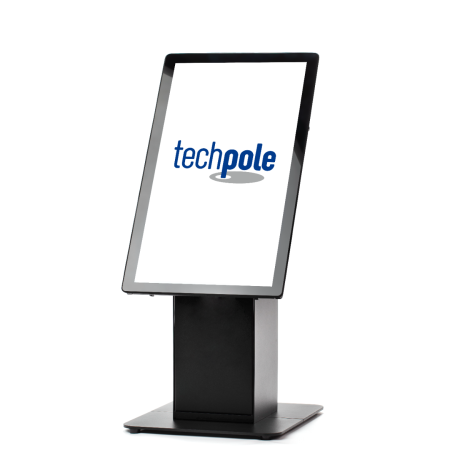
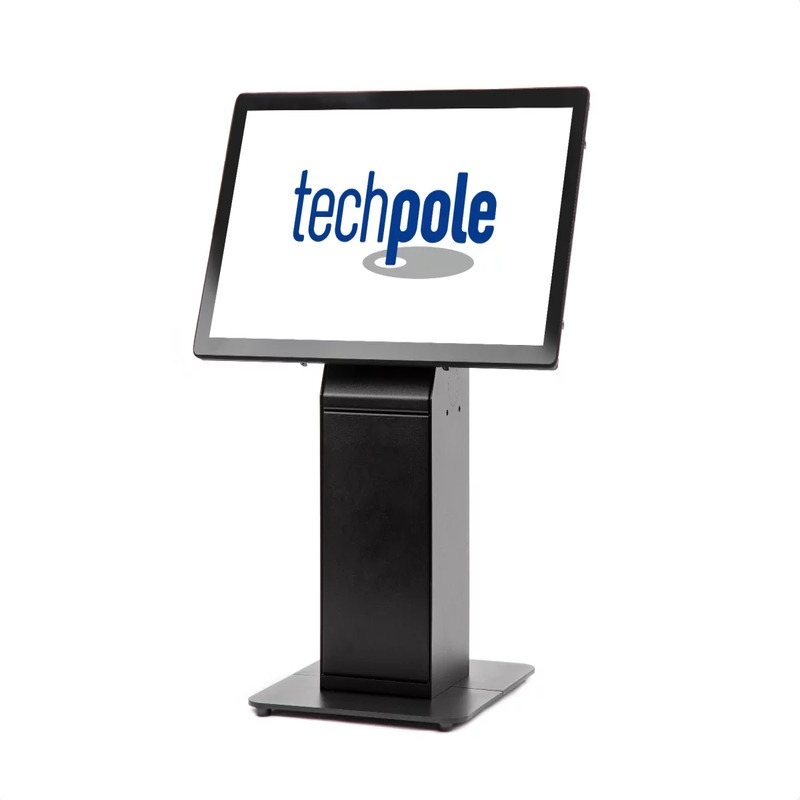
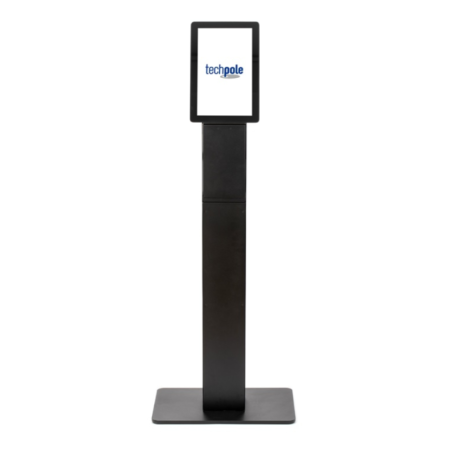
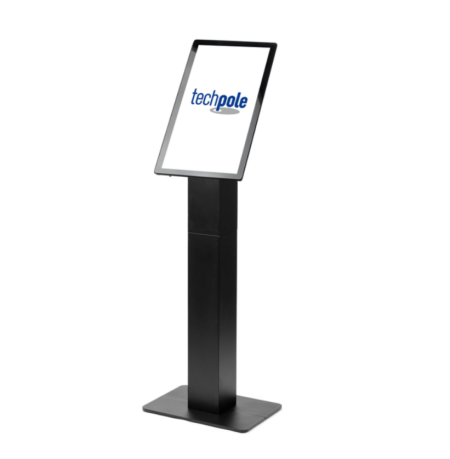
Choosing the right informational kiosk depends on several factors, such as available space, intended use, and required functionalities. Here are some key points to consider:
- Size and design: Make sure the kiosk fits the available space without compromising functionality.
- Interactivity and features: Some kiosks allow touch interaction, integration with databases, or even payment collection.
- Durability: If the kiosk will be used outdoors or in high-traffic areas, it should be durable and easy to maintain.
- Ease of use: The kiosk should be intuitive for users, with a simple interface that allows easy access to information.
Informational Kiosks vs. Traditional Kiosks
Unlike traditional kiosks, which simply provide access to documents or materials, informational kiosks offer greater interaction and customization. Informational kiosks not only passively provide information, but also allow users to perform actions such as registering, interacting with multimedia content, and making transactions.